Bike Fit for Cyclists with Scoliosis: How to Ride Comfortably and Efficiently
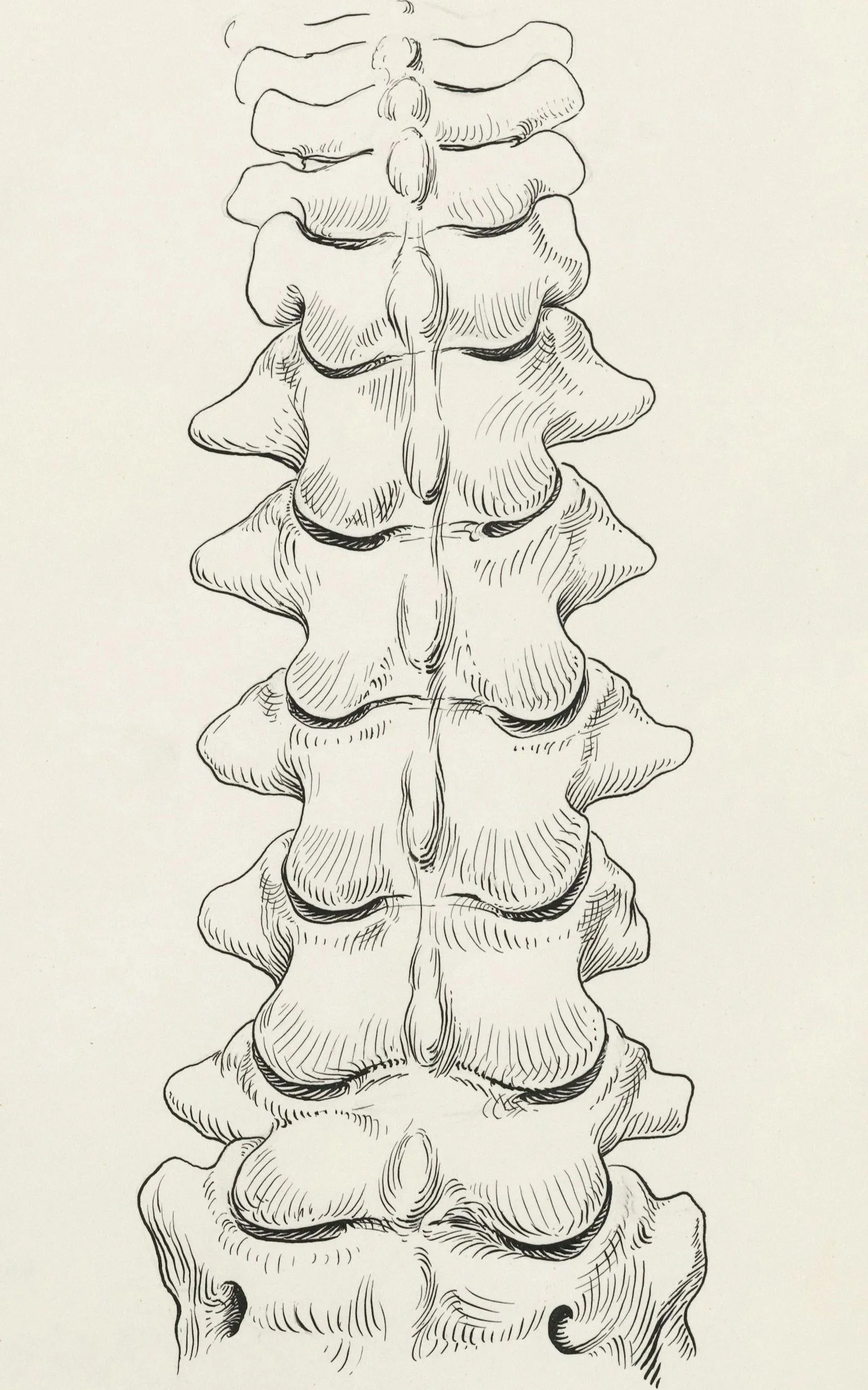
Finding a bike fit that feels good can be difficult for any cyclist - but cyclists with scoliosis may need some further considerations. A proper bike fit for cyclists with scoliosis or spinal fusion helps you ride with less pain, more power, and greater comfort. Unlike standard bike setups that assume symmetry, scoliosis requires thoughtful adjustment to contact points, posture, and core support.
Why Scoliosis Changes Your Bike Fit Needs
Scoliosis, a lateral and rotational curvature of your spine, can influence pelvis alignment, functional leg length, torso rotation, and shoulder reach - all key elements in pedal efficiency and comfort.
A tailored bike fit changes your bike to support your body, not force you into a symmetrical posture your spine doesn’t naturally have.
1. Fix the Contact Points: Feet, Saddle, Hands
Foot Position & Shims
Some cyclists with scoliosis may have subtle pelvic rotation that creates a functional leg length discrepancy. Using shoe shims (flat plates that can be inserted between the shoe and the cleat to change the height) can help balance the pedal stroke, improving comfort and even power distribution.
Cleat Positioning
Where a cleat sits under your foot affects your ankle motion, knee tracking, and pedaling power. Poor cleat placement can cause discomfort, numbness, or inefficient movement. Aim for the cleat to be about one centimeter behind the widest part of your foot, then adjust from there.
Saddle Setup
Your pelvis may roll or sit unevenly on the saddle. A correct saddle height and position reduces shifting and distributes forces evenly, making long rides more enjoyable. Start with a saddle height position that, when measured with your foot at the bottom of your pedal stroke, places your knee at 145-155 degrees of flexion. Begin with your saddle set at a 0 degree tilt. Ride this for a few rides, then make small, incremental changes to adjust from there.
2. Adjust Handlebar Height & Reach
Cyclists with scoliosis often struggle with aggressive forward posture or drop bars that force too much shoulder flexion and neck extension. Raising your handlebars, using a shorter or higher-angled stem, or adjusting headset spacers helps keep your torso open and shoulders relaxed, which improves breathing and reduces tension in the shoulders, chest, and neck.

3. Strength Support Matters
Even the best bike fit can’t fully compensate for muscles that can’t accommodate that position. Many scoliosis cyclists benefit from strengthening:
Back and abdominal muscles
Serratus anterior (important for shoulder stability and core)
Hip stabilizers
These support your posture on the bike and help you hold the position longer without fatigue.
Check out below for exercise videos for each of those muscle groups👇
Hip hikes for back stability
Serratus push up for shoulder and trunk strength
Clamshells (but better!) for hip stability
4. Mobility & Rib Expansion Techniques
Restricted mobility in the ribs and thoracic spine - common in scoliosis - can impact breathing and riding comfort. Simple rib expansion and segmental breathing exercises help cyclists breathe deeper, relax tight muscles, and ride more efficiently.
Breathing drills support better oxygenation and help you maintain position on longer rides.
Watch a video on my cues for diaphragmatic breathing below👇
5. Red Flags That Suggest You Need a Professional Bike Fit
Even after making adjustments, pay attention if:
You experience numbness or tingling on every ride
One leg feels significantly stronger
Discomfort persists beyond short soreness
You start cutting rides short or avoiding them because of the pain during and after riding
You feel uneven load through knees, hips or back
These are signs a professional bike fit that can take your unique body and goals into consideration could provide more relief and better performance.
Conclusion: You CAN Ride Well With Scoliosis And Without Pain
A tailored bike fit for cyclists with scoliosis changes the way you experience rides; from discomfort and imbalance to comfort and confidence. When your bike is set up with your body in mind, cycling becomes a sustainable, enjoyable activity that supports your health and goals.
Want Your Bike Fit Personalized to Your Scoliosis?
Every spine is different — especially with scoliosis. A virtual bike fit allows us to adjust your setup based on your asymmetries, mobility, and goals, not generic angles or averages.
👉 If you’ve downloaded my bike fit guide, but your fit still isn’t quite right, this is where to start:

Want to keep reading and learn more? Check these blogs out next: