How to Start a Physical Therapy Practice
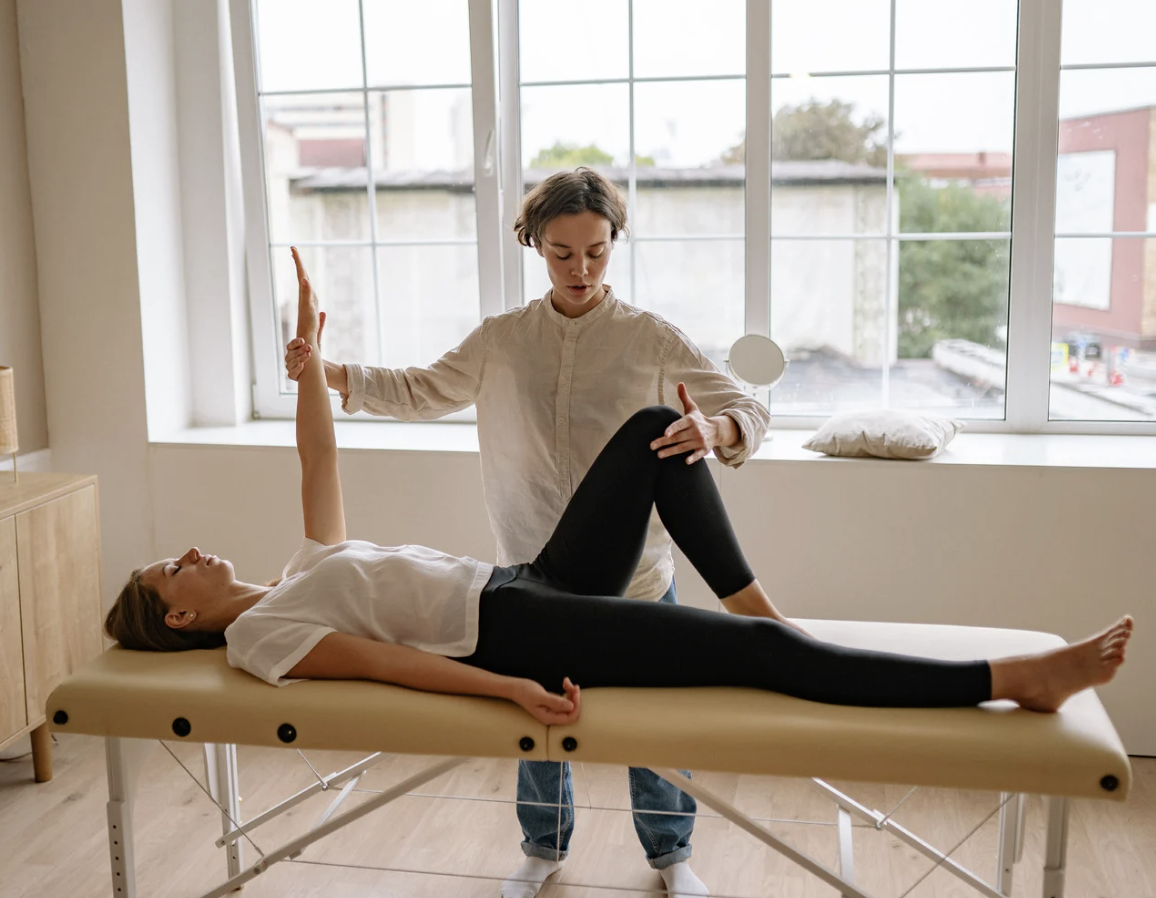
It’s time. You’re ready to go out on your own and start your physical therapy practice. You’re sick of treating under someone else’s paradigm, not seeing your ideal client, and not having more autonomy over your practice and hours.
But it can be overwhelming knowing where to start.
Just like in PT school, we learn how to break down seemingly complex, multifactorial problems (back pain), into a more manageable plan of care (evaluate hip strength, movement coordination, and begin improving mobility).
There’s a lot to goes into building your practice, just like there was a lot that went into becoming a PT. So we’re going to break down a couple first steps so you know where to start.
This jumping off guide is designed to help you begin to have a framework and to know where to start so that you can feel confident in the jump to starting your own clinic.
Here are the basics:
Make sure you find a space that works for you and is within your budget. Start small.
Many PTs get stuck with high overhead and no patient load to cover it. The number one cost I see that is disproportionate to a clinic’s income. is rent. Yes, I know many PTs think the “go big and burn the boats” approach is what works. I’ve seen more clinics flounder than flourish under this thinking.
I started in a 300 sq foot room that I made work for a year before moving into a stand alone 1200 sq foot clinic with huge gym space and picture windows with natural light. Keeping my rent low for the first year allowed me to build a practice with a low bottom line, which in turn allowed me to get in the black faster.
Have an ironclad patient journey framework.
It’s very likely most initial patients will be coming from a Google search or doctor’s office referral.
They know nothing about you or what to expect.
Make sure you plan out, know, and are intentional with every step of that patient’s journey.
For us, that’s a discovery call with my administrator to ask specific questions so we have an in-depth picture of the patient and their needs. From there, it’s a sequence of emails setting expectations from what they will experience with their first visit and their follow up plan. The evaluation has a set of important points we make sure to cover at the end of every visit so all of patients’ questions are answered before their follow up visits.
Be protected and have the right paperwork in order.
This is not an exhaustive list, but to start, you’ll need:
Malpractice insurance and business insurance.
Patient paperwork that covers liability, cancellation policies, and privacy practices.
A registered domain for your website
LLC designation and EIN (Employer Identification Number)
Know your start up costs and initial budget.
Your initial patient count will be low. Have a plan on how you’re going to float the business until you’re able to turn a profit. Know what the absolute costs are, and what you can put off until you have a steadier influx of profit. For me, that looked like:
Low rent (as mentioned above).
Bare minimum for equipment. This aligned with my practice, as my goal is to always provide exercises that patients can perform at home. Very few people have a cable machine or a leg press. The most important part of your clinic is the clinical reasoning that drives it, not the toys.
Do it yourself. I do not recommend this step as a long term protocol; but by performing the tasks you can offload later to someone else (scheduling, marketing, front office work), you have an intimate knowledge of how every facet of your business works.
When I started, I took on all the patient calls, scheduling, onboarding, and emailing. I then quickly hired an administrator to do all of this for me (who is worth her weight in gold). This sort of insight on standard operating procedures will serve you well when you do hire staff to take these tasks over.
Explore every possible pipeline for referrals.
Here’s some not great news if you’re an introvert like me. You’re going to have to talk to a lot of people. When you start, very few people will know who you are. It’s up to you to get your word out.
I leaned into speaking about my business by focusing on why I opened up shop in the first place - to be able to treat in a way that puts patients first, delivers exceptional outcomes, and gets people back to moving fearlessly.
When you’re speaking to the things that matter most behind why you started your practice, it becomes easy to promote yourself. And I promoted myself by talking to everyone who would listen. Where I started:
Doctor’s offices that aligned with the patients I wanted to treat. My clinic is geared towards ultra runners and cyclists, so I spoke with naturopaths, DOs, and MDs who specialize in longevity and athletes. I did not bother with offices that saw populations that were not relevant to who I wanted to treat.
As a cyclist, I partnered with local bike shops
I attended every wellness expo I could, either as a participant or with a booth
I joined a local business group. (I started with BNI chapter; about a third of my patient referrals came from here my first year in business)
I joined a Pilates studio, which has become an enormous referral source for me. Find clubs and classes that help you find populations that may be untapped but can become great referrals.
Provide absolutely exceptional care.
This may sound trite; but this bullet point is absolutely non-negotiable.
Any other marketing or growth strategies are irrelevant if you cannot provide a superior product.
There are PT clinics on every corner. Ensure you’re sound in your clinical reasoning and ability to deliver outcomes. This often looks like pursuing continuing education, mentorship, and if you’re a new grad, working somewhere else for 1-2 years. Learn how to refine your skills under someone else. Having other PTs to learn from and look to for advice is invaluable.
As a new grad, I knew I wanted to start my own practice and was chomping at the bit to do so. But the three years I spent working in other clinics with other PTs was the best thing I could have done to ensure the success of my own practice when I opened in 2022.
Closing Thoughts
Building a successful PT practice doesn't happen by accident. It happens when you make smart, intentional decisions early on. In can feel overwhelming, but being systematic and tactical and knowing where to start is the difference between a clinic that thrives and one that stalls out within the first year.
What separates the clinics that make it from the ones that don't is not a better location or a bigger marketing budget. It's having a clear framework, being willing to learn from your processes, accept help, and staying committed to delivering genuinely great care.
In PT school we learn how to apply a framework to a pathology. The same goes for learning how to start your own physical therapy clinic.
If you want to move faster, avoid the costly mistakes I made early on, and get clear on your next steps - let's talk.
Sign up for a 1-on-1 mentorship session. They’re designed specifically for PTs who are not only starting or scaling their own practice, but also want to hone their skills and provide excellent results.
In one call, we can cut through the noise and zero in on exactly what your clinic needs right now.
👉 Book a Clinician Consultation here and let's accelerate your path to building the practice you actually want.
Your practice won't build itself — but you don't have to build it alone.
My next steps for you:
Continue to improve your skills working with cyclists: Physical Therapy for Cyclists: A Clinician’s Guide to Treating Riders Better (and Smarter)
Join my 2x/month newsletterto learn about my thought process, get exclusive workouts, and get early access to offers and programs
Book a consultation
Download the Free Ultimate Bike Fit Checklist to know what to look for in your patients’ bike fit